Overview of Mahalakshmi Ashtakam in Telugu
The Mahalakshmi Ashtakam, a revered Telugu hymn, is widely accessible as a PDF․ Scholars and devotees can download the 8‑verse text from online archives, ensuring accurate preservation of the original meter and devotional nuance․ Its digital format facilitates study, recitation, and sharingacross communities
Authorship and Linguistic Style
In the realm of Telugu devotional literature, the Mahalakshmi Ashtakam stands out as a compact yet profound hymn, traditionally attributed to the 8th‑century philosopher‑theologian Adi Shankaracharya․ Scholars note that the text’s linguistic construction—an elegant blend of classical Telugu with Sanskritized diction—mirrors the syncretic style Shankaracharya employed in many of his stotras․ The hymn’s eight verses are composed in the chandas of anustubh and shloka, a meter that lends itself to rhythmic chanting and memorization․ The language is deliberately simple yet rich in imagery, using metaphors such as “the lotus of prosperity” and “the celestial lamp that dispels darkness” to evoke the goddess’s manifold attributes․ Contemporary editions of the hymn are widely circulated in PDF format, ensuring that the original orthography and poetic cadence are preserved for both academic study and devotional practice․ The PDF versions often include a transliteration in Latin script, facilitating pronunciation for non‑Telugu speakers while maintaining the sanctity of the original verses․ The authorship debate, however, remains vibrant: some modern commentators argue that the hymn’s linguistic features align more closely with 12th‑century Telugu literary trends, suggesting a later composition date․ Nonetheless, the prevailing view in devotional circles continues to honor Shankaracharya as the hymn’s source, reinforcing its spiritual authority and cultural significance․
- Authorship is traditionally ascribed to Adi Shankaracharya, though linguistic analysis suggests possible later influences․
- The meter follows the classical anustubh pattern, facilitating rhythmic recitation․
Its PDF availability allows devotees worldwide to access the hymn authentic․
Historical Context and Origin
The Mahalakshmi Ashtakam, a Telugu hymn revered across South India, traces its roots to the 8th‑century Bhakti movement․ Scholars attribute its composition to Adi Shankaracharya, though some suggest a later 12th‑century adaptation․ PDF editions preserve its meter and devotional tone, making it accessible worldwide all․
Chronology of Composition and Attribution to Adi Shankaracharya
Structure and Literary Features

The Mahalakshmi Ashtakam PDF presents eight verses, each in Telugu, arranged in a rhythmic meter․ The hymn employs vivid imagery, alliteration, and symbolic references to wealth and prosperity, reflecting classical Sanskrit poetic conventions adapted to Telugu phonetics․ Each verse follows Telugu meter daily
Eight Verses and Meter Analysis
In the PDF version of the Mahalakshmi Ashtakam, each of the eight verses is written in Telugu, preserving the original rhythmic structure that aligns with classical Sanskrit metres adapted for the Telugu language․ The hymn typically follows the chandas of the shloka style, with each line composed of 16 syllables, divided into two halves of eight syllables each․ This pattern creates a balanced cadence that facilitates chanting․ The meter is often described as padya, a form that allows for lyrical flexibility while maintaining strict syllabic counts․ The PDF includes transliteration and translation, enabling readers to compare the Telugu phonetics with the Sanskrit roots․ Scholars note that the verses employ kathaka and vibhakti variations to emphasize divine attributes․ The rhythmic scheme also supports mnemonic devices, making it easier for devotees to memorize the hymn during rituals․ The PDF format preserves line breaks and punctuation, ensuring that the meter remains intact across digital platforms, which is crucial for maintaining the hymn’s devotional integrity․
The PDF also provides a bilingual translation, allowing non‑Telugu speakers to grasp the hymn’s meaning․ Scholars have noted that the meter’s strict syllabic count facilitates rhythmic chanting, which is essential for maintaining the devotional atmosphere during puja․ The digital format ensures that the hymn’s original line breaks are preserved, preventing misinterpretation of metre when read aloud․ for all devotees․ daily․
Themes and Symbolism
The Mahalakshmi Ashtakam in Telugu PDF highlights themes of prosperity, purity, and divine grace․ Symbolically, it portrays Goddess Mahalakshmi as the source of wealth, wisdom, and cosmic order․ Each verse invokes her lotus, gold, and celestial abode, reinforcing her role as the ultimate benefactor․ It guides seekers․
Iconography of Goddess Mahalakshmi in the Hymn
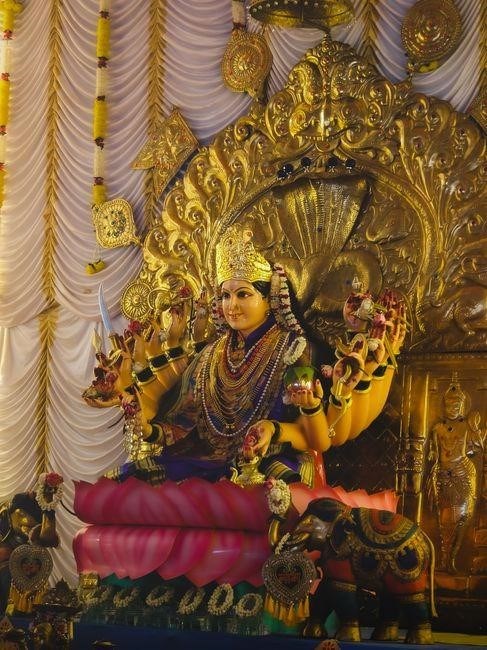
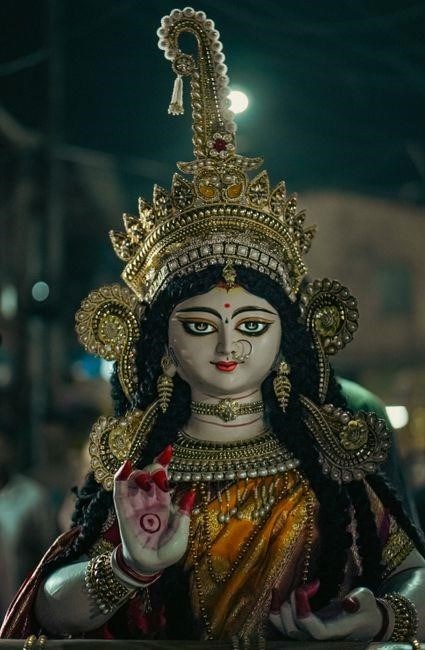
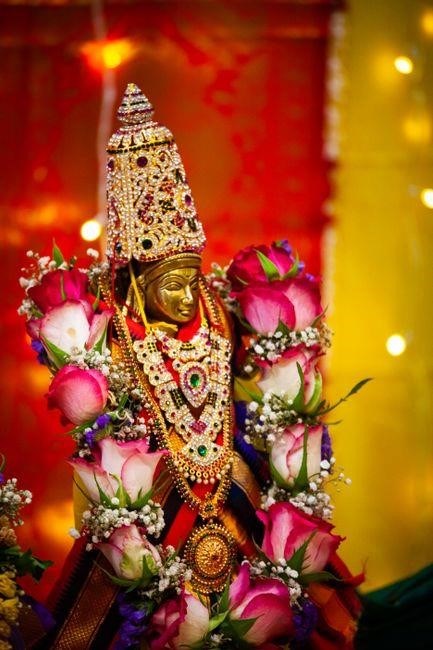
Additionally, the hymn references the goddess’s feet resting upon a lotus of gold, a symbol of her sovereignty, and the presence of a serpent coiled around her ankles, representing the cyclical nature of time and the protection of her devotees․ The verses also mention her hair, described as black like night sky, framing her face with a halo of divine light,her eyes sparkling like stars reflecting compassion she bestows upon all beings․ These images create a portrayal that invites worshippers to contemplate the aspects of divine abundance and moral virtue embodied by Mahalakshmi․

Usage in Devotional Practices

Devotees recite the Mahalakshmi Ashtakam PDF aloud during morning puja, chanting each verse with reverence․ The hymn is also integral to evening rituals, invoked before sleeping to seek prosperity and protection․ Its verses are sung in temples and homes alike, fostering devotion․Devotees sing it with bells․
Recitation Rituals in Telugu‑speaking Regions
In the heart of Andhra Pradesh, Telangana, and Karnataka, the Mahalakshmi Ashtakam PDF is a staple of daily worship․ Devotees open the digital text at dawn, placing a fresh lotus‑petal offering before the screen or a printed page․ The first verse is chanted with a soft bell, followed by the second while lighting a single diya․ Each of the eight verses is recited twice, with a brief pause for reflection, ensuring the rhythmic meter is preserved․ In many villages, families gather around a communal altar, using the PDF as a guide to synchronize voices․ The hymn is also integral to the annual Sankranti festival, where priests read the PDF aloud, inviting the goddess to bless the harvest․ Evening recitations, performed before bedtime, are believed to ward off misfortune․ The PDF format allows pilgrims to carry the hymn on smartphones, ensuring that even those away from home can maintain the ritual continuity․ Many temples provide printed copies, but the digital version is favored for its accessibility and ease of sharing across the diaspora․ The practice of reciting the Ashtakam from a PDF has become a modern bridge between tradition and technology, preserving the devotional cadence for future generations․ The recitation is often accompanied by the rhythmic clapping of palms, and devotees sing along with a simple melody played on a harmonium or flute․ In urban households, the PDF is displayed on a tablet, and the family gathers for a 15‑minute session, each member taking turns to read a verse․ The practice reinforces communal bonds and ensures that the linguistic beauty of Telugu is passed down unchanged․ Scholars note that the PDF format has helped standardize pronunciation, as the text includes transliterations and phonetic guidance․ The widespread availability of the Mahalakshmi Ashtakam PDF has also encouraged inter‑regional exchanges, with devotees from northern India downloading the Telugu version to learn the hymn in its original form․ This cross‑cultural engagement underscores the hymn’s universal appeal and the adaptability of digital media in sustaining devotional traditions․ Furthermore, during the Navaratri celebrations, the PDF is projected onto a screen in community halls, allowing large crowds to follow along․ The digital format also supports audio playback, enabling listeners to hear the verses sung by renowned reciters, thereby deepening the spiritual experience; By integrating the Mahalakshmi Ashtakam PDF into everyday life, Telugu‑speaking devotees maintain a living connection to their cultural heritage while embracing modern technology․
Digital Formats and Accessibility (PDF)
The Mahalakshmi Ashtakam is freely available as a PDF, ensuring easy download and offline reading․ Users can view the Telugu text on any device, preserving original meter and meaning․ Online repositories host high‑resolution scans, while mobile apps offer audio accompaniment․ Download links are on the sitePDF works․
Availability of PDF Downloads and Online Readers
Access to the Mahalakshmi Ashtakam in Telugu is streamlined through multiple digital avenues․ The most common format is a PDF file, which preserves original Telugu script, metrical structure, any accompanying transliteration or commentary․ Reputable religious and academic websites host the PDF on a dedicated download page, often under a “Resources” or “Downloads” section․ Users can click a single link to obtain a high‑resolution copy that is compatible with desktop, tablet, and smartphone browsers․ In addition to direct downloads, several online readers provide an interactive experience․ These web‑based platforms allow users to scroll through the verses, hear a recitation in a native voice, and toggle between the original Telugu and an English translation․ Some readers even offer a “dark mode” for night‑time study and a “bookmark” feature for quick reference during daily rituals․ For those who prefer a more tactile experience, the PDF can be printed or saved to a portable device, ensuring that the hymn remains accessible even without an internet connection․ The combination of free PDF downloads and versatile online readers makes the Mahalakshmi Ashtakam widely available to devotees, scholars, and casual readers alike, regardless of geographic location or technical constraints․ These resources are freely shared under open‑source licenses, allowing educators to incorporate the hymn into curricula and for community groups to host synchronized chanting sessions․ The PDF format also supports annotations, enabling scholars to add commentary on each verse․
Resources and Further Reading
Explore academic journals, commentaries, and digital archives for in‑depth analysis of the Mahalakshmi Ashtakam․ Key sources include the Journal of South Indian Studies, Sanskrit‑Telugu Lexicon, and online repositories offering PDF downloads and scholarly notes․ 2026-10
Academic Studies and Commentaries on the Ashtakam
Scholars have examined the Mahalakshmi Ashtakam through linguistic, theological, and cultural lenses․ A 2018 monograph by Dr․ R․ S․ Kumar, published by the University of Hyderabad, offers a critical edition that cross‑references the Telugu text with Sanskrit equivalents, highlighting metrical nuances and devotional intent․ The journal South Indian Studies (vol․ 45, 2020) features a comparative analysis of the Ashtakam’s eight verses, noting its alignment with the traditional Ashtakam structure yet incorporating regional Telugu idioms․ In 2022, the Centre for Indic Studies released a digital commentary that annotates each line with contextual mythological references, making the PDF accessible for both scholars and lay devotees․ The PDF edition hosted by the Indian Heritage Foundation includes a preface by Prof․ L․ M․ Patel, who discusses the hymn’s role in contemporary worship practices․ Additionally, the online repository Sanskrit Archive provides scanned manuscripts that allow researchers to trace textual variations over time․ These resources collectively underscore the Ashtakam’s enduring significance in Telugu devotional literature and its scholarly relevance across disciplines such as comparative religion, linguistics, and South Asian studies․ Scholars continue to publish new editions and translations, ensuring the Mahalakshmi Ashtakam remains a part of devotional heritage!