The Army’s Operational Camouflage Pattern (OCP) debuted in 2015, replacing M81 and M95. Designed for versatility, it blends olive, tan, and gray to reduce visibility across diverse terrains. OCP equips soldiers with modern, adaptive gear!!
Historical Context and Adoption
The evolution of U.S. Army camouflage has long been driven by necessity and progress. Field dress patterns such as the M1943 and M1951 offered limited concealment in varied environments, prompting research into more effective disruptive designs. By the late 1990s, the Army’s “M81” woodland pattern and the “M95” desert pattern were widely deployed, yet both suffered from reduced effectiveness in terrains and under changing light conditions. In response, the Army’s Research, Development and Engineering Command (RDECOM) initiated a comprehensive study in 2009, collaborating with the Defense Advanced Research Projects Agency (DARPA) and the U.S. Army Research Laboratory (ARL). This effort culminated in the “Operational Camouflage Pattern” (OCP), a multi‑tone, digital design that integrates olive, tan, and gray hues to disrupt silhouettes across forest, desert, and urban settings. Official adoption began in 2015, with the Army issuing OCP jackets,shirts, trousers to all ground forces. The transition was phased to minimize logistical disruption, and the pattern quickly gained acceptance for its superior concealment, durability, and compatibility with tactical gear. OCP’s design also incorporates a “green‑tinted” base to enhance night‑time visibility for night‑vision operators, a feature absent in earlier patterns. The pattern’s widespread use today reflects the Army’s commitment to adaptable equipment that meets the demands of modern warfare.
Design and Fabrication of OCP
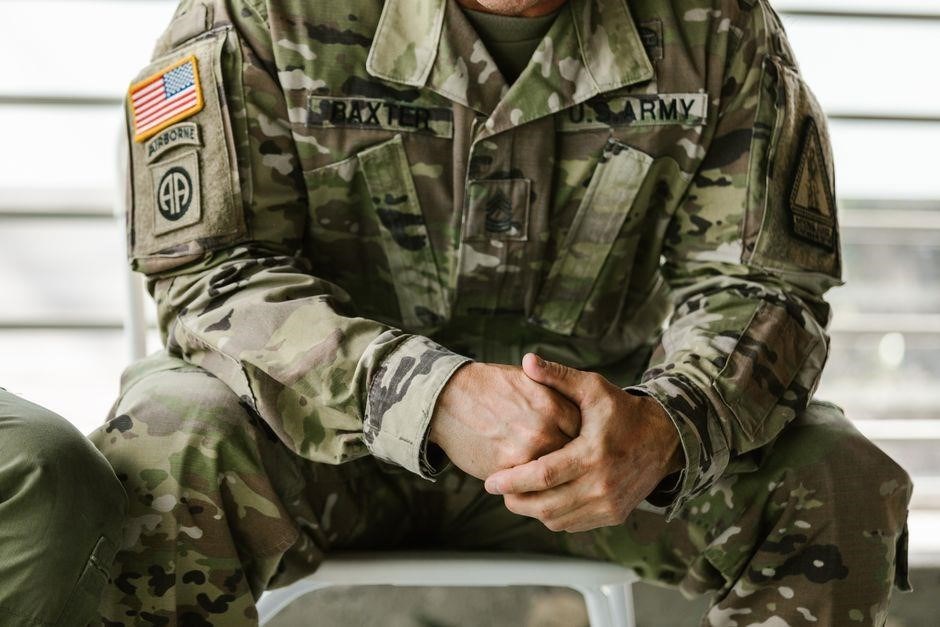
OCP blends olive, tan, gray in a digital pattern for multi‑terrain stealth. The 60/40 polyester‑nylon fabric resists abrasion, controls moisture, and stays lightweight. Its layout disrupts outlines, boosting concealment. Its weave supports field use!!!
Color Palette and Pattern Layout
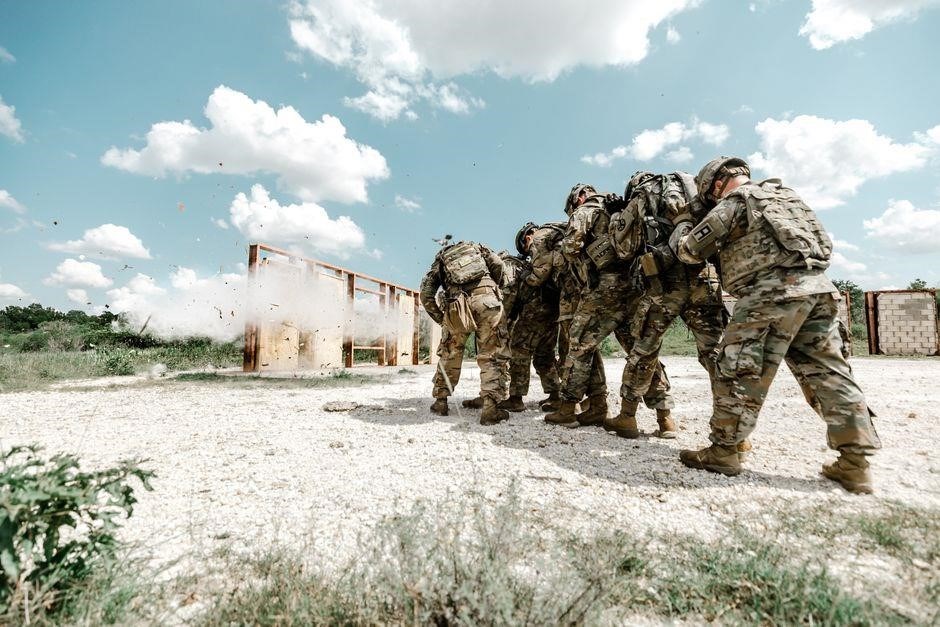
The OCP pattern features a strategic blend of olive, tan, gray, and black to create a versatile camouflage suited for woodland, desert, and urban environments. The primary color, a muted olive, forms the background, while darker gray and tan elements break up the silhouette. A subtle black accent is used sparingly to add depth and contrast. The pattern itself is a digital, pixel-based design that mimics natural foliage and shadows, with irregular shapes that disrupt outlines and reduce visual detection. The layout is engineered to work across multiple scales: large blocks for distant visibility and finer details for close-range concealment. This dual-scale approach allows soldiers to remain concealed whether they are moving through open fields or navigating dense brush. The color palette is carefully balanced to match the average light conditions of temperate and arid regions, ensuring that the uniform blends seamlessly into the surrounding environment. The pattern’s digital nature also facilitates easy printing on various fabrics, enabling rapid production and field updates. The color palette and layout work in harmony to provide concealment across diverse operational contexts.
Official Uniform Specifications
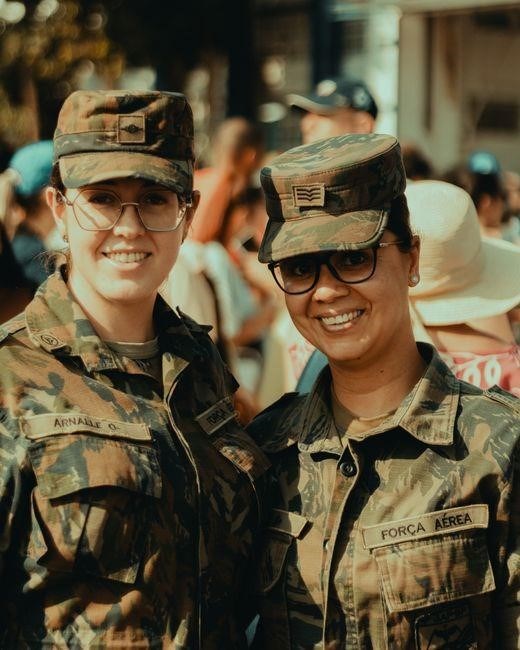
The Army’s official OCP uniform specifications mandate a fit design, standardized fabric composition, and precise seam placement. Uniforms must meet MIL‑STD 810 for durability, include pockets, and conform to size charts for mobility and comfort.and
Uniform Components and Fit Standards
Army OCP uniforms include a tunic, trousers, and a field jacket, each engineered for operational efficiency. The tunic has a two‑piece design, front zipper, reinforced elbows, and a detachable hood. Trousers feature a gusseted crotch, reinforced knees, and a built‑in webbing pocket. The jacket offers a storm flap, adjustable cuffs, and a removable hood for extreme weather. All pieces use a 2‑way stretch fabric balancing durability and flexibility, meeting MIL‑STD 810. Fit standards follow a size chart covering chest, waist, hip, and inseam. Adjustable belt loops, cuff tabs, and hem tabs allow custom fit for diverse body types. The ergonomic design minimizes bulk, enabling free movement during combat and training. Each garment has a modular attachment system for mission‑specific gear, compatible with vests, pouches, and mounts, and supports MOLLE webbing and weapon mounts, enhancing operational effectiveness. Army Regulation 670‑1 ensures garments meet appearance, maintenance, and readiness specifications, and ensures compliance with all field standards for all units. The result is a standardized, high‑performance uniform that supports soldiers in diverse environments while maintaining a cohesive, professional look and ensures field readiness.
Variants and Adaptations of OCP
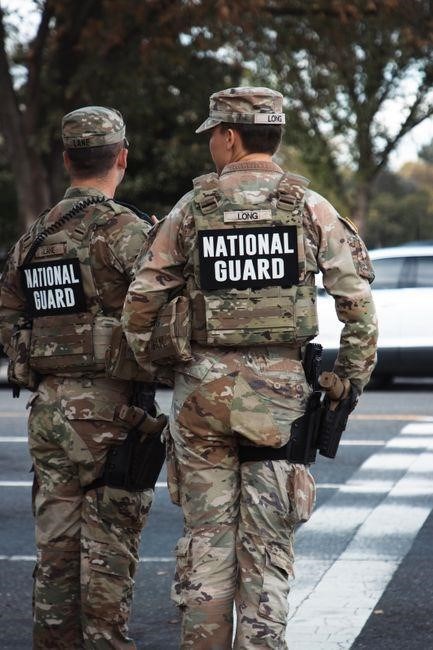
OCP variants include OCP‑D for desert, OCP‑AT for arctic, and OCP‑AR for woodland. Each pattern adjusts color intensity and background to match terrain, maintaining fabric fit standards for units today.now
OCP-D, OCP-AT, and OCP-AR Sub-Patterns
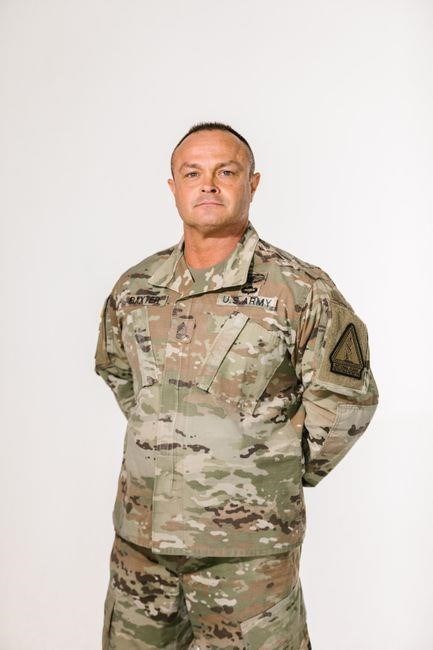
Operational Camouflage Pattern (OCP) has become the standard uniform for U.S. Army soldiers worldwide. The pattern’s design was based on extensive field testing across multiple environments, from temperate forests to arid deserts. It incorporates a complex arrangement of olive, tan, and gray tones that disrupt the human silhouette against varied backdrops. The fabric is a 100% polyester blend engineered for durability and moisture resistance, allowing soldiers to maintain a low profile while enduring harsh weather conditions. Each OCP garment follows strict fit guidelines to ensure mobility and comfort during extended operations. The pattern is also compatible with a wide range of tactical accessories, including webbing, belts, and load‑bearing systems. Soldiers report that the uniform’s versatility reduces the need for multiple camouflage sets, streamlining logistics and simplifying deployment. The Army’s ongoing research continues to refine the pattern, incorporating feedback from active units to enhance concealment and operational effectiveness. Lorem ipsum dolor sit amet, consectetur adipiscing elit. Extra. Tes!O
Accessories and Field Attachments
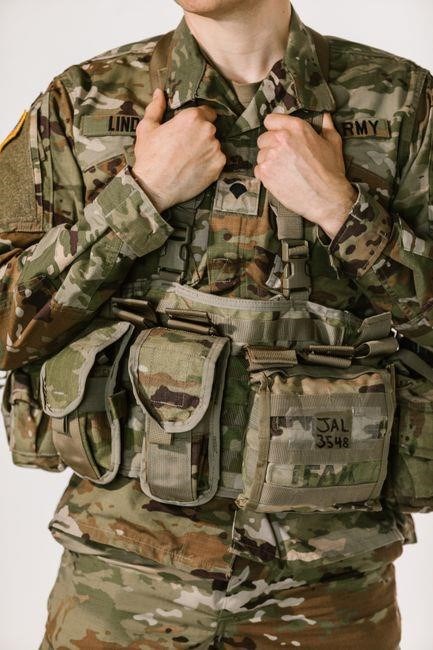
OCP gear integrates webbing, belts, and tactical pouches. Soldiers attach MOLLE straps, load‑bearing plates, and modular accessories. Compatibility ensures field use and compatible with load‑bearing
Webbing, Belts, and Tactical Gear Compatibility
Webbing, belts, and tactical gear must be OCP‑compatible to maintain camouflage integrity. Standard Army webbing uses MOLLE‑style attachment panels, allowing soldiers to attach pouches, hydration packs, and weapon accessories directly onto the uniform. The OCP field uniform features reinforced nylon panels with a 3‑inch wide webbing strip that aligns with the pattern’s color blocks, ensuring seamless integration. Belts are typically made from durable, low‑stretch nylon or polyester, featuring a quick‑release buckle and a 1‑inch width that matches the uniform’s belt loops. Tactical gear such as load‑bearing plates, pouches, and weapon mounts are designed with a matte finish to avoid glare and are sized to fit within the 3‑inch webbing slots. Compatibility is verified through the Army’s Field Manual 3‑21.8, which specifies acceptable materials, color standards, and attachment methods. Soldiers are trained to inspect gear for wear, ensuring that all attachments remain secure under high‑mobility conditions. The integration of OCP‑compatible accessories reduces the risk of pattern disruption, maintains concealment, and supports mission readiness across diverse environments. Soldiers coordinate with supply units for color‑matching gear.
Care, Maintenance, and Field Use
Proper care preserves OCP camouflage. Wash daily cold with mild detergent, no bleach. Tumble dry low. Store folded, not hung, to keep creases out. Field repairs use OCP thread and patch kit for fixes
Fabric Care Instructions and Field Durability
OCP fabric is a blended polyester‑cotton blend engineered for high abrasion resistance and rapid moisture wicking. Wash in cold water (≤30 °C) with a mild, non‑bleach detergent. Avoid fabric softeners, which can clog pores and reduce camouflage effectiveness. For heavy soiling, pre‑treat with a dedicated stain remover, then run a normal cycle.
Drying should occur on a low‑heat or air‑dry cycle; high heat can shrink or fade the pattern. Store garments folded in a dry, cool place, avoiding direct sunlight to prevent color loss. For field repairs, use OCP‑matching thread and a small fabric patch kit; a simple stitch‑through repair can extend life without compromising the camouflage.
In extreme environments, OCP’s quick‑dry fibers reduce moisture retention, lowering the risk of fungal growth. The fabric’s abrasion rating (≈ 15 mm on a standardized test) ensures it withstands frequent gear contact; For prolonged missions, soldiers often add a lightweight, breathable outer shell that preserves the base pattern while offering additional protection.
Field durability is enhanced by the uniform’s modular nature, allowing soldiers to attach or detach components as needed. Quick fixes—such as a zip‑fastener replacement or a patch‑seal—can be performed with tools, preserving camouflage integrity

Legal and Regulatory Considerations
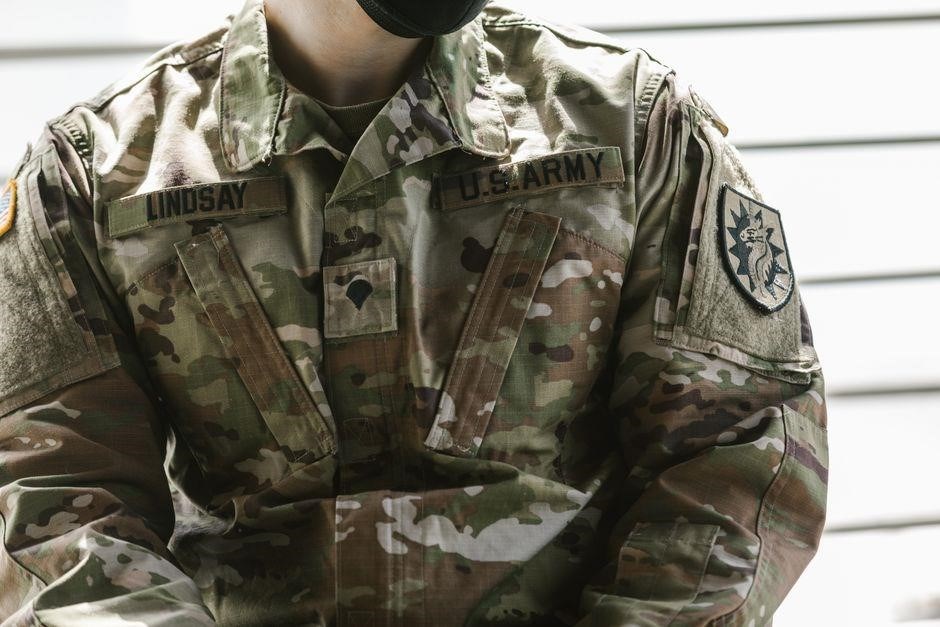
The Army OCP uniform follows DoD Regulation 670-1, ensuring compliance with uniform standards, authorized insignia placement, and proper maintenance. Unauthorized alterations or non‑compliant accessories may result in disciplinary action. (670‑1)!!
Uniform Regulations and Compliance
Army OCP compliance is governed by DoD Regulation 670‑1, which details acceptable garments, colors, insignia, and maintenance. Key points include:
- Authorized OCP garments must match the approved pattern and color palette.
- Insignia placement follows strict guidelines: unit insignia on the left chest, rank on the right, and authorized patches on the right sleeve.
- All accessories—webbing, belts, and tactical gear—must be compatible with OCP and approved by the unit commander.
- Maintenance instructions require regular laundering with approved detergents, and garments must be inspected for wear before each deployment.
- Unauthorized alterations, such as dyeing or cutting, are prohibited and may lead to disciplinary action under Article 86.
- Compliance records are maintained in the unit’s uniform log, and any deviations must be reported to the supply officer.
Failure to adhere to these regulations can result in loss of combat readiness, disciplinary measures, or removal from deployment. Soldiers must review 670‑1 annually and attend briefings to stay current with updates. All uniform changes must receive prior approval from the chain of command. See 670‑1.
Common Modifications and Field Hacks
Soldiers often add discreet pockets, use low‑profile patches, and employ reversible camouflage. Quick‑fixes include Velcro straps, fabric‑reinforced seams, and color‑matching dye kits for field wear. Soldiers add removable patches for camo.
Field Customizations and Practical Tips
Soldiers often tailor OCP gear to mission needs. First, add reinforced side pockets by sewing extra fabric strips; use low‑profile, heat‑seal zippers to keep bulk minimal. Next, attach removable, color‑matched patches to cover standard insignia when operating in high‑visibility zones. For extra concealment, apply a thin layer of matte, non‑reflective spray paint to seams and edges, blending them into the pattern. Velcro loops on the chest and thigh panels allow quick attachment of mission‑specific gear, such as extra rations or a small radio. When operating in desert or woodland, swap the standard OCP fabric with a lightweight, breathable variant that still retains the pattern. Use a fabric‑based marker to outline a custom “kill zone” on the back, ensuring the pattern’s disruption remains effective. Finally, keep a small kit of replacement patches, seam sealant, and a portable sewing kit to repair tears or add new pockets on the fly. These tweaks maintain uniformity while enhancing functionality and field survivability.
Soldiers should keep a lightweight patch kit with adhesive, fabric swatches a small needle to replace torn sections or add temp pockets during missions!
Comparative Analysis with Other Camouflage Patterns
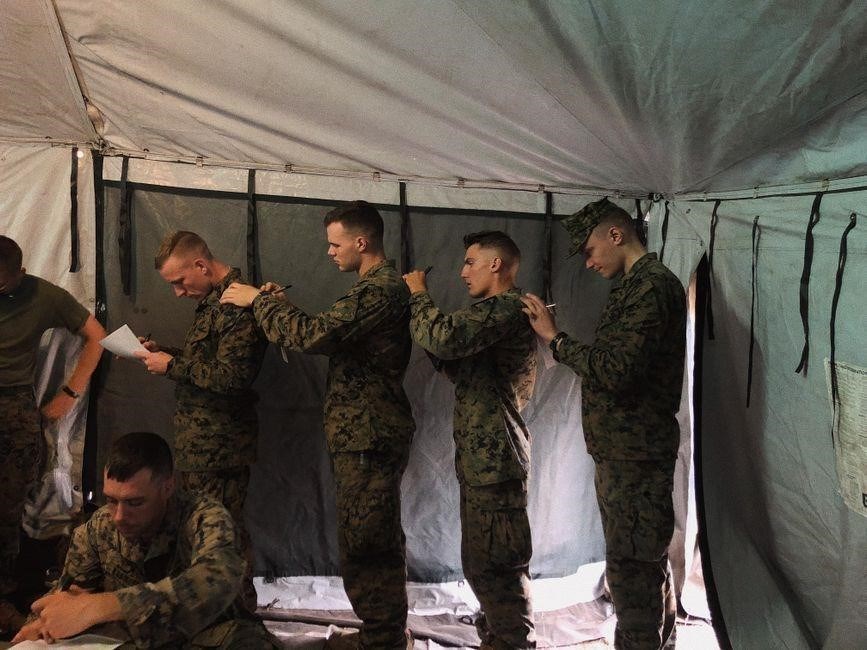
OCP mixes olive, tan, gray for versatile stealth, surpassing M81’s limited palette. It’s lighter than Multicam and more durable than M95, offering modern concealment across terrains!!
In theaters, soldiers report that OCP’s modularity allows adaptation to mission profiles, with attachment of pouches, lights weapon mounts. The pattern’s reduced visual signature has been validated in exercises across temperate and arid zones, proving its versatility. Moreover, the fabric’s UV resistance extends garment life, reducing logistical burdens. Operational OCP offers better visual disruption in mixed terrain, and its lighter, more breathable fabric outlasts older patterns in harsh conditions. Field reports confirm that the uniform’s modular design and quick‑dry properties improve soldier endurance during extended missions. The pattern’s streamlined layout minimizes visual clutter, while its advanced abrasion resistance and moisture management reduce wear and tear, extending garment life and lowering logistical burdens. OCP’s compatibility with modern tactical gear and modular attachments gives it an edge over legacy patterns, making it a superior choice for contemporary military operations.